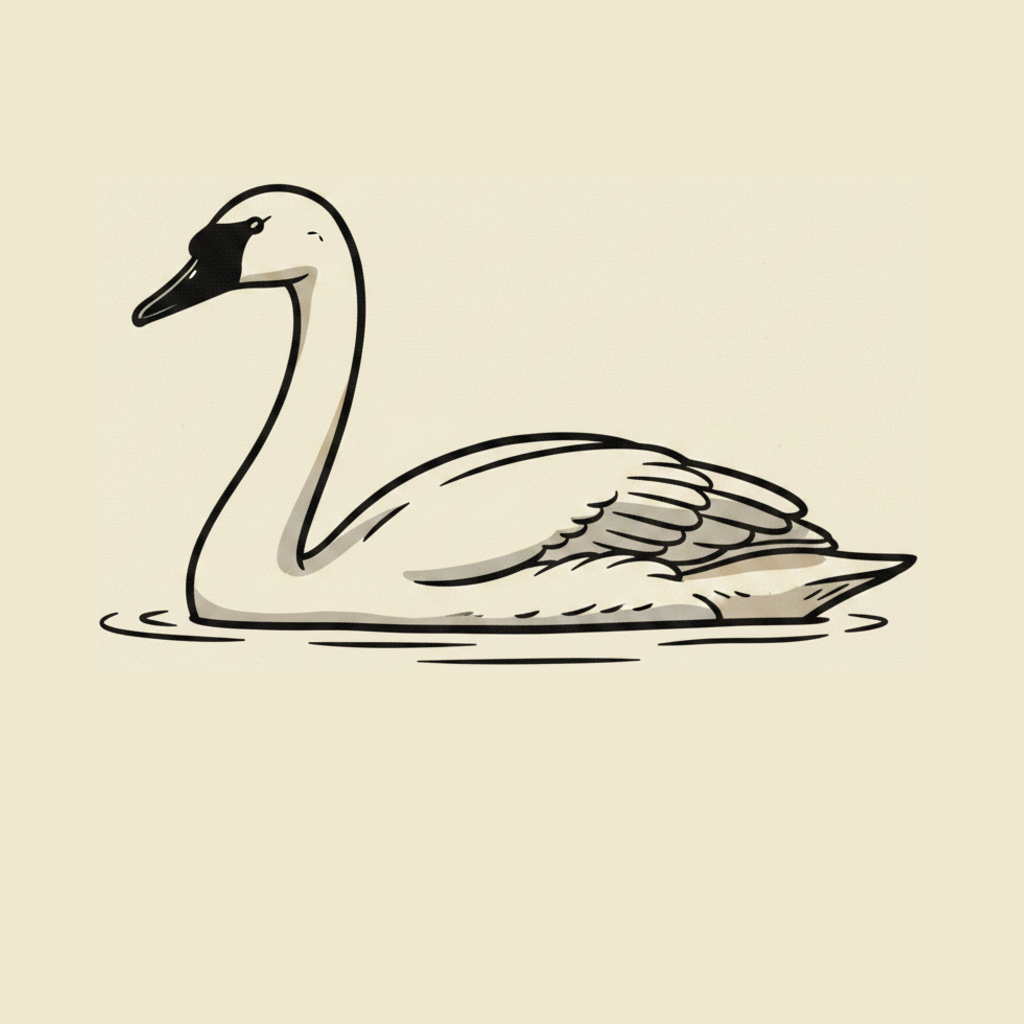
Photographs
what it really looks like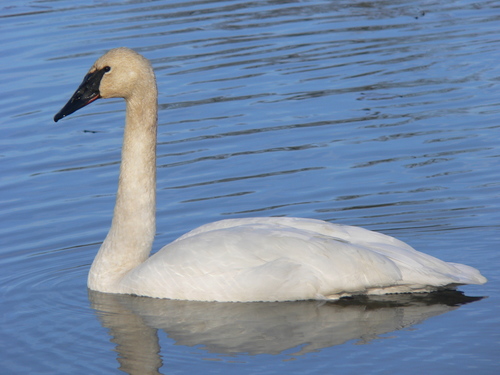
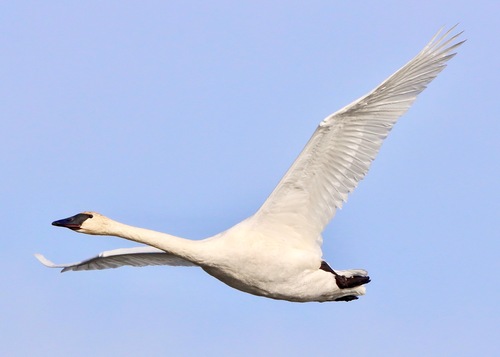
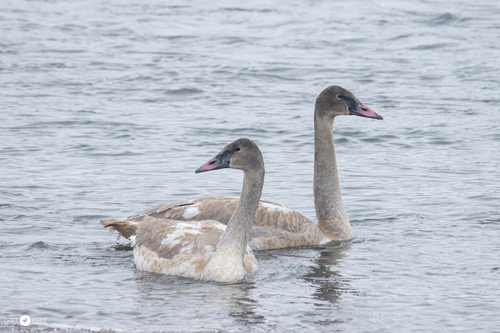
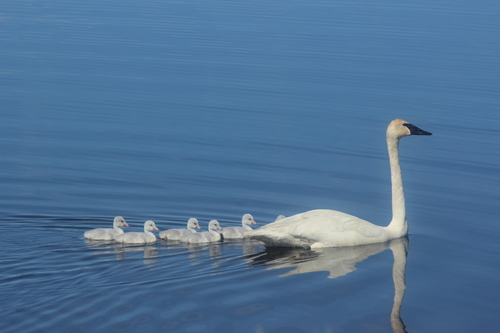
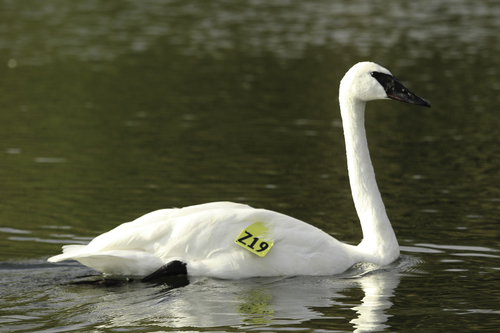
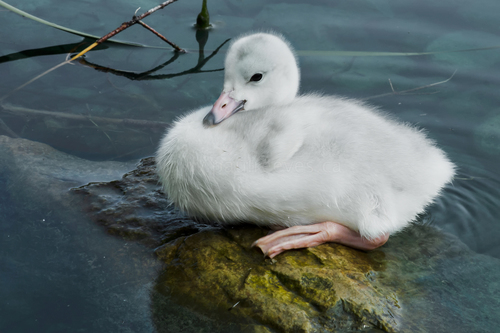
Photographs from iNaturalist · photographer credits
About from Wikipedia
Description
The trumpeter swan is the largest extant species of waterfowl, and both the heaviest and longest native bird of North America. Adults usually measure 138–165 cm (4 ft 6 in – 5 ft 5 in) long, though large males can exceed 180 cm (5 ft 11 in) in total length. The weight of adult birds is typically 7–13.6 kg (15–30 lb). Possibly due to seasonal variation based on food access and variability due to age, average weights in males have been reported to range from 10.9 to 12.7 kg (24 to 28 lb) and from 9.4 to 10.3 kg (21 to 23 lb) in females. It is one of the heaviest living animals capable of flight, and, in terms of average mass, the heaviest flying bird in the world. Alongside the mute swan (Cygnus olor), wild turkey (Meleagris gallopavo), great bustard (Otis tarda), Kori bustard (Ardeotis kori), Dalmatian pelican (Pelecanus crispus), and Andean condor (Vultur gryphus), it is one of a handful to weigh in excess of 10 kg (22 lb) between the sexes, and one survey of wintering trumpeters found it averaged second only to the condor in mean mass. The trumpeter swan's wingspan ranges from 185 to 304.8 cm (6 ft 0.8 in to 10 ft 0 in), with the wing chord measuring 60–68 cm (24–27 in). The largest known male trumpeter attained a length of 183 cm (6 ft 0 in), a wingspan of 3.1 m (10 ft 2 in) and a weight of 17.2 kg (38 lb). It is the second heaviest wild waterfowl ever found, as one mute swan was found to weigh a massive 22.5 kg (50 lb), but it was unclear whether the latter swan was still capable of flight because of its bulk. Adult plumage is entirely white. Like mute swan cygnets, trumpeter swan cygnets have light grey plumage and pinkish legs, gaining their white plumage after about a year. As with the whooper swan, this species has an upright posture and generally swims with a straight neck. The trumpeter swan has a large, wedge-shaped black bill that can be minimally lined with salmon-pink coloration around the mouth. The bill measures 10.5–12 cm (4.1–4.7 in), up to twice the length of a Canada goose (Branta canadensis) bill; the trumpeter swan bill is the largest of any waterfowl species in the world. The legs are gray-pink in color, though in some birds can appear yellowish gray to even black. The tarsus measures 10.5–12 cm (4.1–4.7 in). The mute swan, introduced to North America, is scarcely smaller. However, it can easily be distinguished by its orange bill and different physical structure (particularly the neck, which is typically held curved as opposed to straight in the trumpeter). The mute swan is often found year-round in developed areas near human habitation in North America, whereas trumpeters are usually only found in pristine wetlands with minimal human disturbance, especially while breeding. The tundra swan (C. columbianus) more closely resembles the trumpeter but is significantly smaller. The neck of a male trumpeter may be twice as long as the neck of a tundra swan. The tundra swan can be further distinguished by its yellow lores. However, some trumpeter swans have yellow lores; many of these individuals appear to be leucistic and have paler legs than typical trumpeters. Distinguishing tundra and trumpeter swans from a distance (when size is harder to gauge) can be challenging without direct comparison, but it is possible thanks to the trumpeter's obviously longer neck (the great length of which is apparent even when the swan is not standing or swimming upright) and larger, wedge-shaped bill as compared to the tundra swan. Trumpeter swans have similar calls to whooper swans and Bewick's swans. They are loud and somewhat musical creatures, with their cry sounding similar to a trumpet, which gave the bird its name.
Adapted from Trumpeter swan on Wikipedia, used under CC BY-SA 4.0.