Photographs
what it really looks like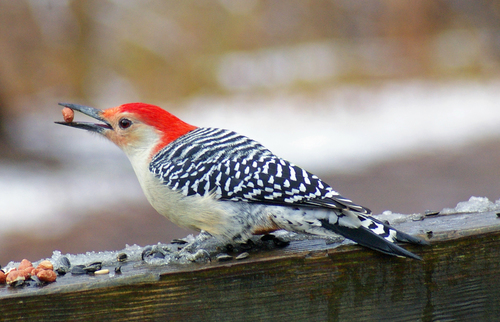
Photographs from iNaturalist · photographer credits
About from Wikipedia
Description
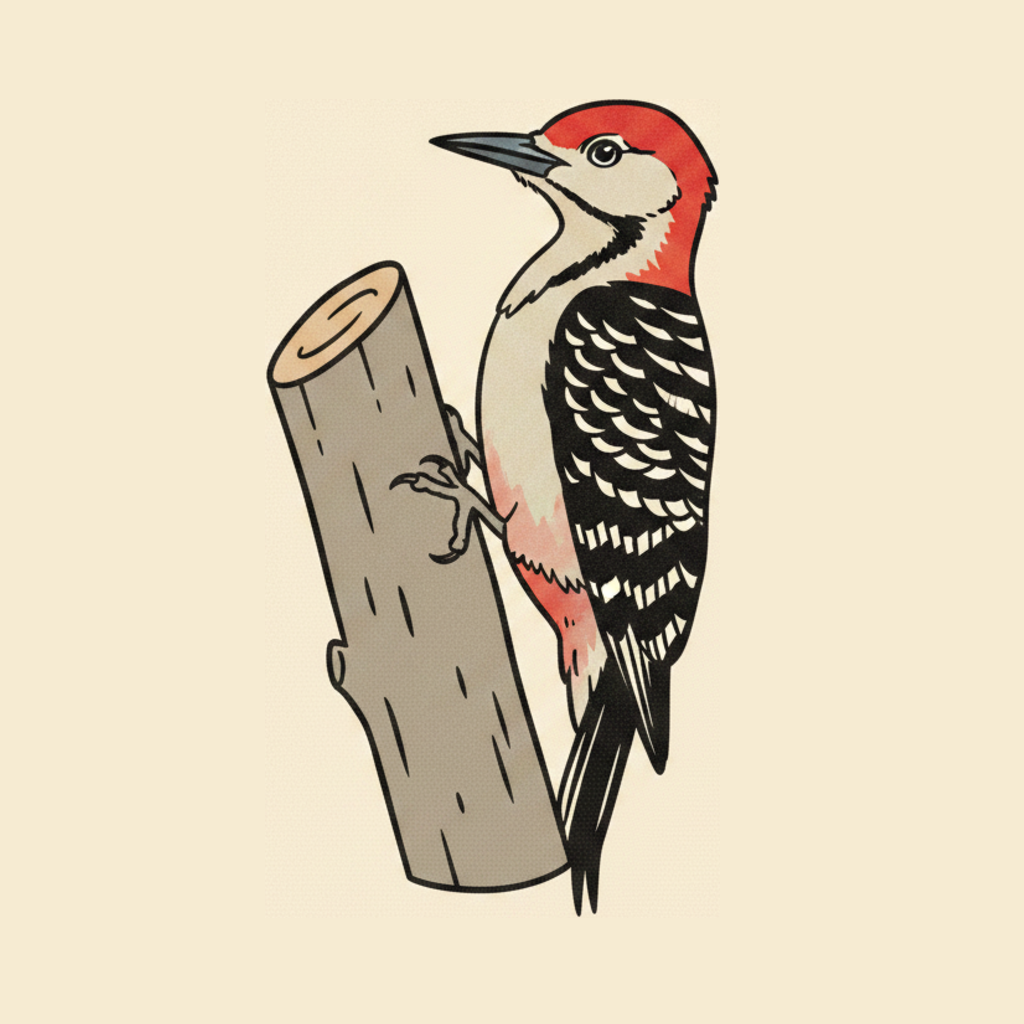
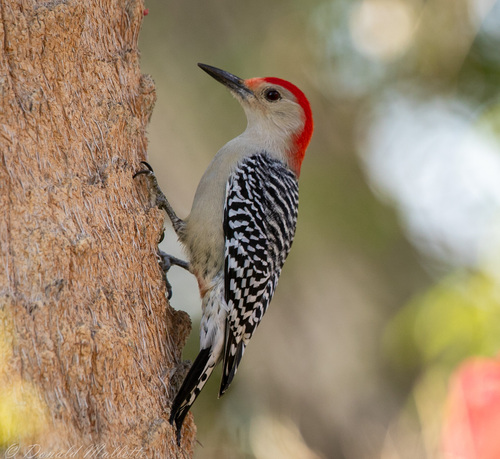
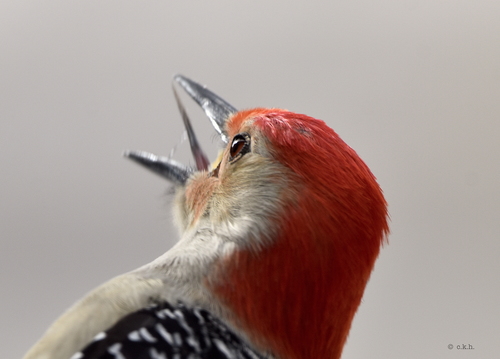
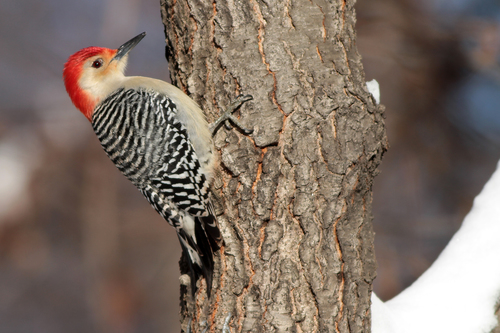
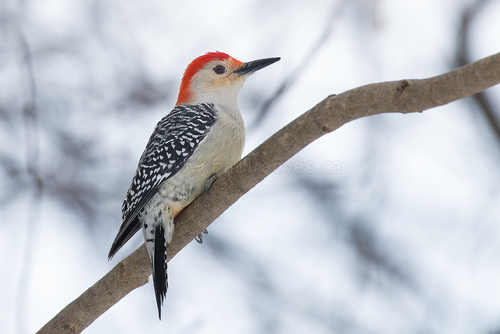
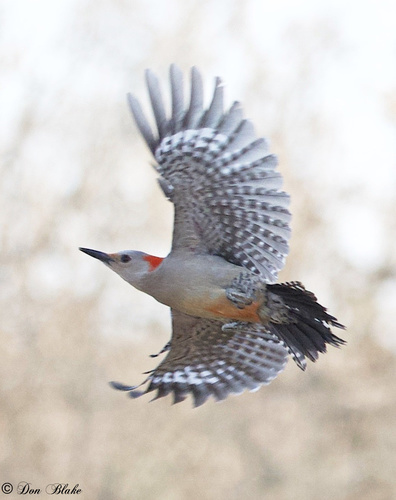
Adults are mainly light gray on the face and underparts; they have black and white barred patterns on their back, wings and tail. Adult males have a red cap going from the bill to the nape; females have a red patch on the nape and another above the bill. The reddish tinge on the belly that gives the bird its name is difficult to see in field identification. White patches become visible on the wings in flight. Red-bellied woodpeckers are 22.85 to 26.7 cm (9.00 to 10.51 in) long, have a wingspan of 38 to 46 cm (15 to 18 in), and weigh 2.0–3.2 oz (57–91 g).
Behaviour
These birds mainly search out arthropods on tree trunks. They rarely catch insects in flight. They are omnivores, eating insects, fruits, nuts and seeds. In some parts of their range, they will also consume the eggs of box-nesting Wood ducks. Their breeding habitat is usually deciduous forests. They nest in the decayed cavities of dead trees, old stumps, or in live trees that have softer wood such as elms, maples, or willows; both sexes assist in digging nesting cavities. Areas around nest sites are marked with drilling holes to warn others away. Though the species is not globally threatened, it depends on large trees for nesting. In areas that are extensively deforested, the birds will sometimes utilize gardens, but for the most part they simply will not be present in any numbers.
Adapted from Red-bellied woodpecker on Wikipedia, used under CC BY-SA 4.0.