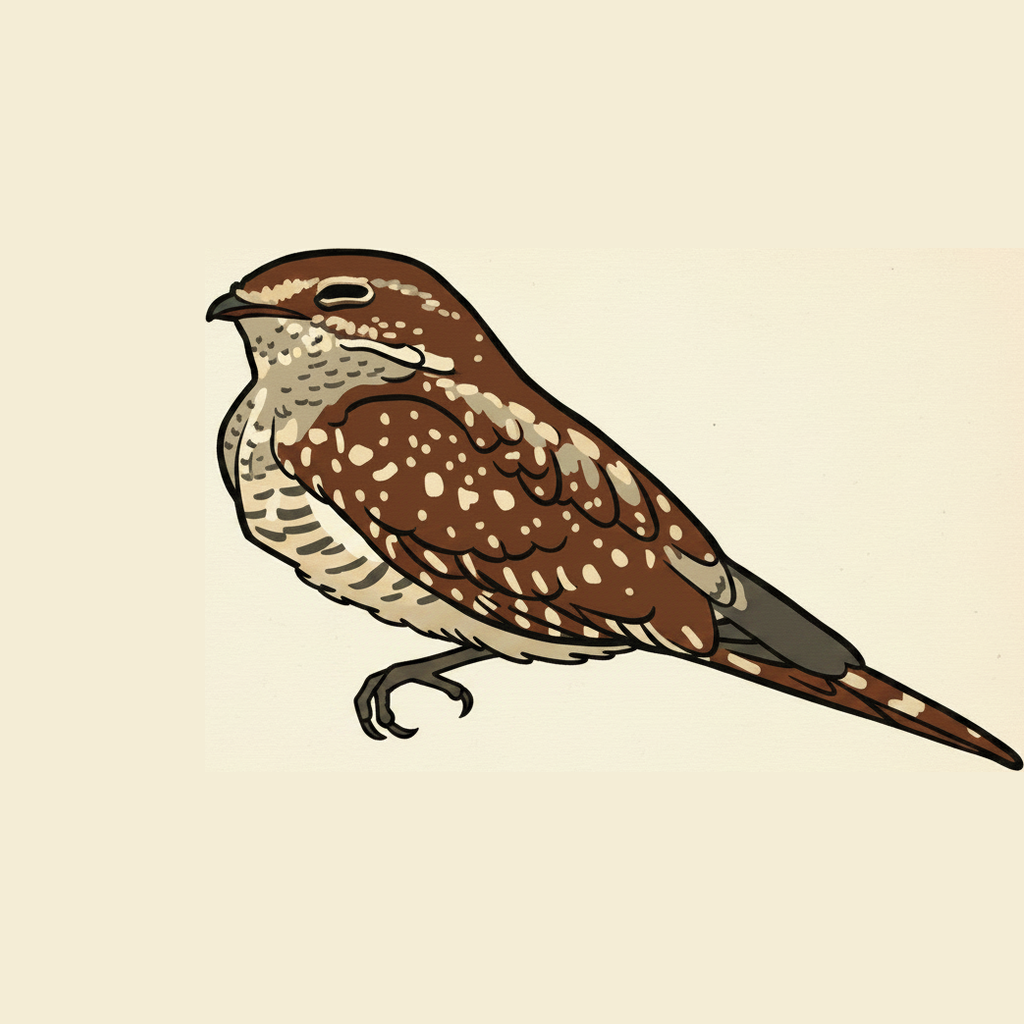
Photographs
what it really looks like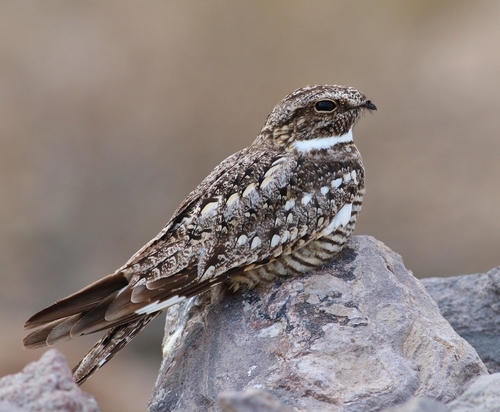
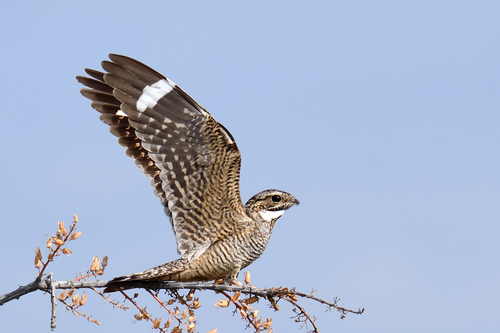
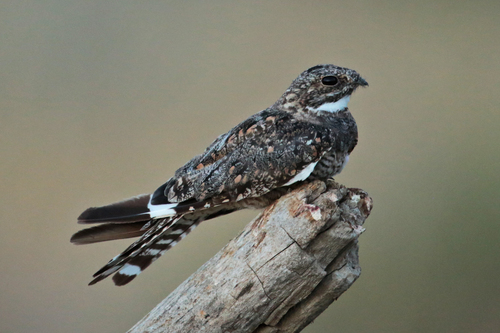
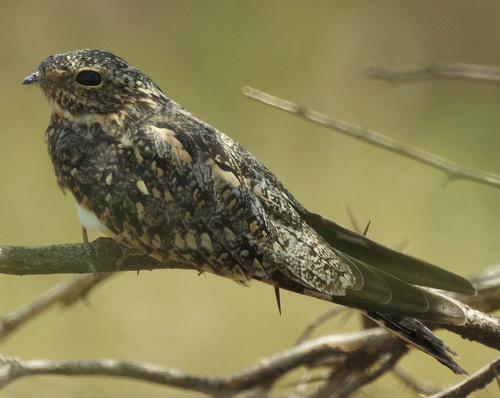
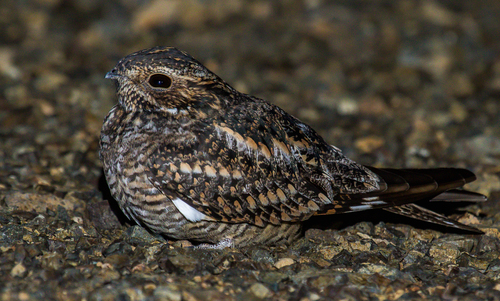

Photographs from iNaturalist · photographer credits
About from Wikipedia
Description
The lesser nighthawk is known for its large mouth and small feet. Its natural brown and gray colors blend into its surroundings, making it hard to spot in the daytime while it sleeps. This long-winged and long-tailed species exhibits slight differences between the male and female. Male lesser nighthawks have a prominent white bar at the end of their tails and wing tips while females have a more cream color bar on their wing tips and lack the stripe on their tail. Both males and females feature a white v-shaped mark on their neck. Although its mouth is large, the lesser nighthawk's beak is short and curved.
Range & habitat
Native to southern North America, the lesser nighthawk inhabits regions of arid, dry deserts or grasslands. Unlike the common nighthawk, it shows a preference to open, drier habitats with lower elevation. It typically chooses habitats that have large swarms of insects as that is its primary food source. It migrates in the fall and spends winters around southern Central America and northern South America. The lesser nighthawk will then return to the southern United States for spring and summer to breed.
Adapted from Lesser nighthawk on Wikipedia, used under CC BY-SA 4.0.